D3OM-WIND
Data-driven design, optimization, and condition monitoring of next-generation wind turbine generators
The project was supported by a grant from Iceland, Liechtenstein and Norway through the EEA Grants Romania 2014-2021, in the frame of the Fund for Bilateral Relations EEA and NORWAY GRANTS in Romania. It started in August 2024 for a duration of 6 months.
The project had two phases:
- The first phase of the project consisted in knowledge transfer and capacity building between Romanian companies, Norwegian companies, and the Stavanger University of Norway.
During this phase, 4Multiphysics engineers held three online webinars.
- Webinar 1: Principles of Design and GD&T for electric motors in automotive industry (speaker: Matei Salomie). We tackled good design practices, and why an appropriate tolerance study is critical.
- Webinar 2: Cooling methods used in electric motors + CFD demo on oil cooling (speaker: Sergiu Marciuc). We explained why cooling is critical in electric motors, which are the types of cooling methods used in the industry, and which is the current trend in automotive.
- Webinar 3: Vibration analysis in electric motors, with a particular focus on the rotor-dynamics (speakers: Claudiu Cotovanu and Gyorgy Kulcsar). First, we tackled the base of the dynamic assessment, the modal analysis. Then, we showed how its results are exploited further as input data for frequency response analyses, and finally, we concluded with the rotor-dynamics.
In addition, a 2-day in-person workshop was held in Norway by 4Multiphysics on automotive traction motors: “Thermo-Mechanical Design and Simulation”. The workshop offered a deep dive into the electric motors design and simulation, focusing on the unique challenges faced by Permanent Magnet (PM) machines. Participants gained insights of various thermo-mechanical design aspects, simulation and testing.
- Location 1: University of Stavanger (https://www.uis.no/en)


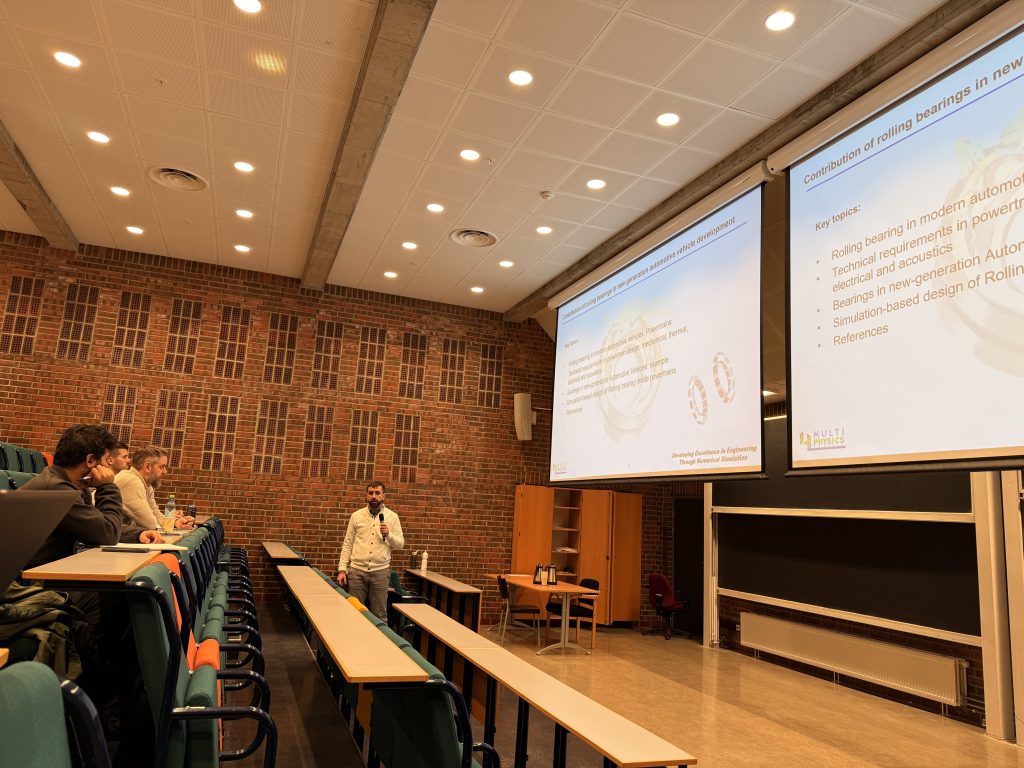
- Location 2: GCE NODE, Kristiansand (https://gcenode.no/). Event page: https://gcenode.no/event/from-automobiles-to-offshore-wind-leveraging-electric-powertrain-expertise-for-energy-innovation/.
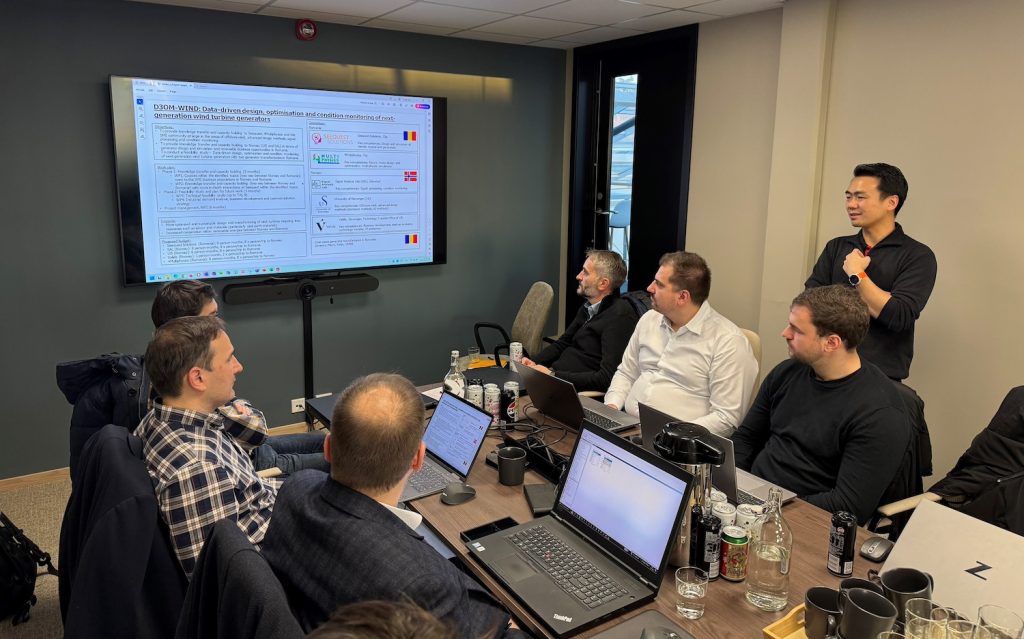
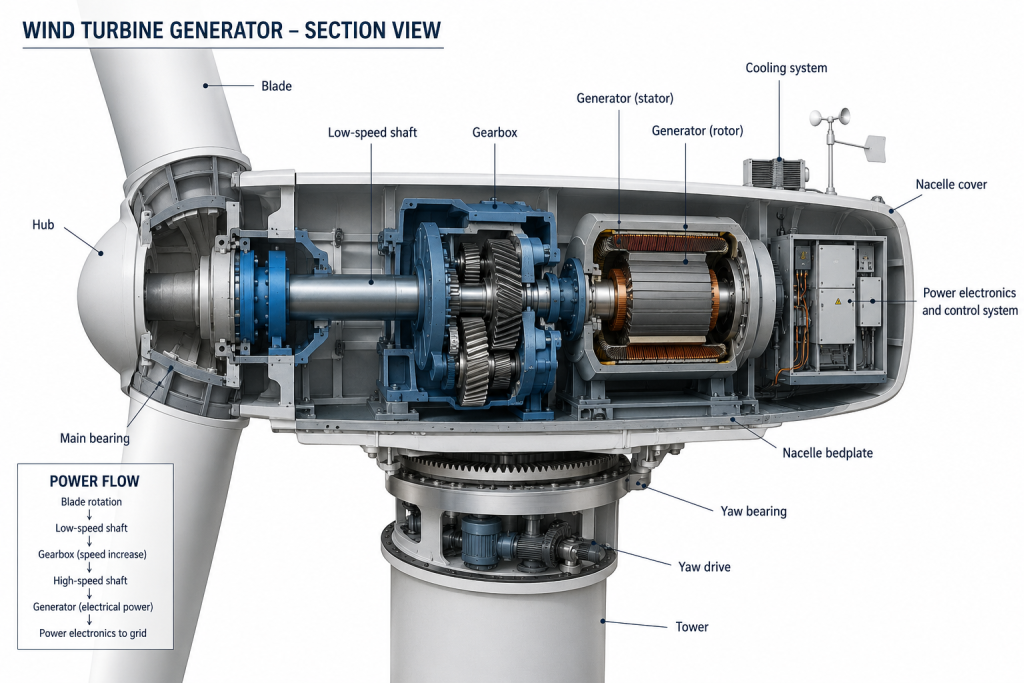
- The second phase consisted in conducting a feasibility study for an axial flux direct-drive wind turbine generator. During this phase, 4Multiphysics was responsible with the thermal simulations (air cooling design), bearings design and rotor mechanical simulations.
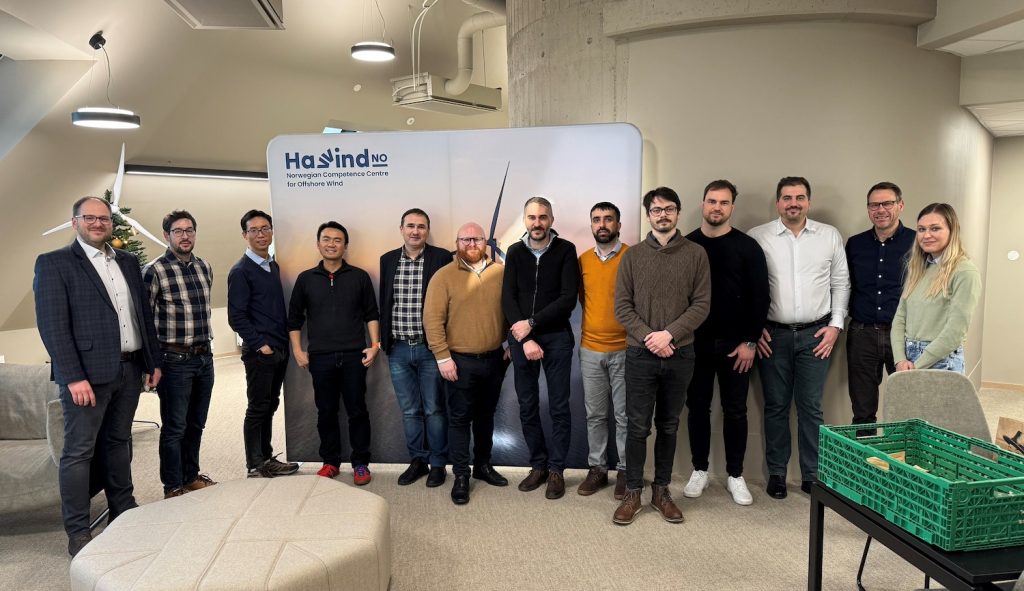
4Multiphysics was one of the five partners in the Consortium, alongside: